What Is Lassen Volcanic National Park Famous For?

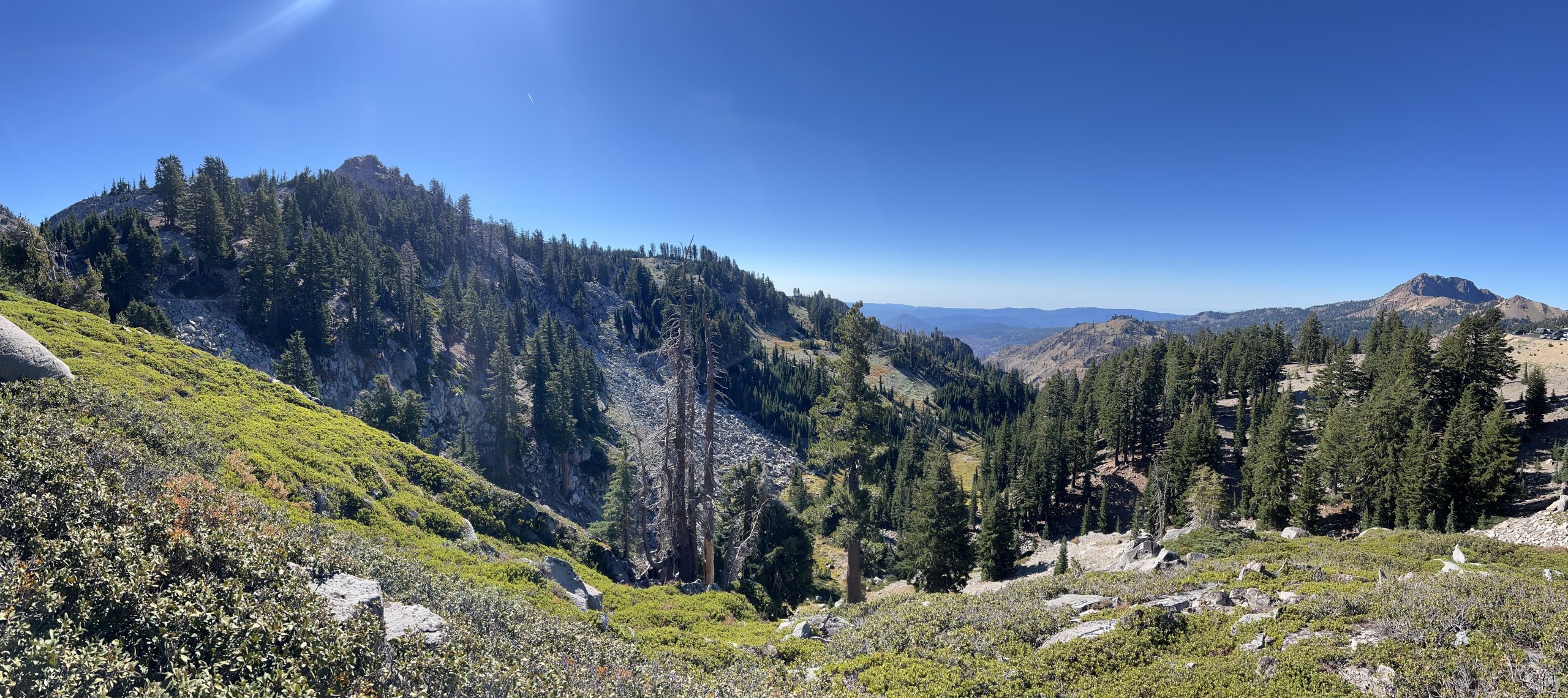
Lassen Volcanic doesn’t have the name recognition of Yellowstone or Yosemite, and honestly that’s part of what makes it worth visiting. Bubbling mudpots, a peak that erupted in 1915, alpine lakes cold enough to take your breath away, and skies dark enough to make you feel small in the best possible way. Here’s what makes this park worth the detour.
Geothermal Activity
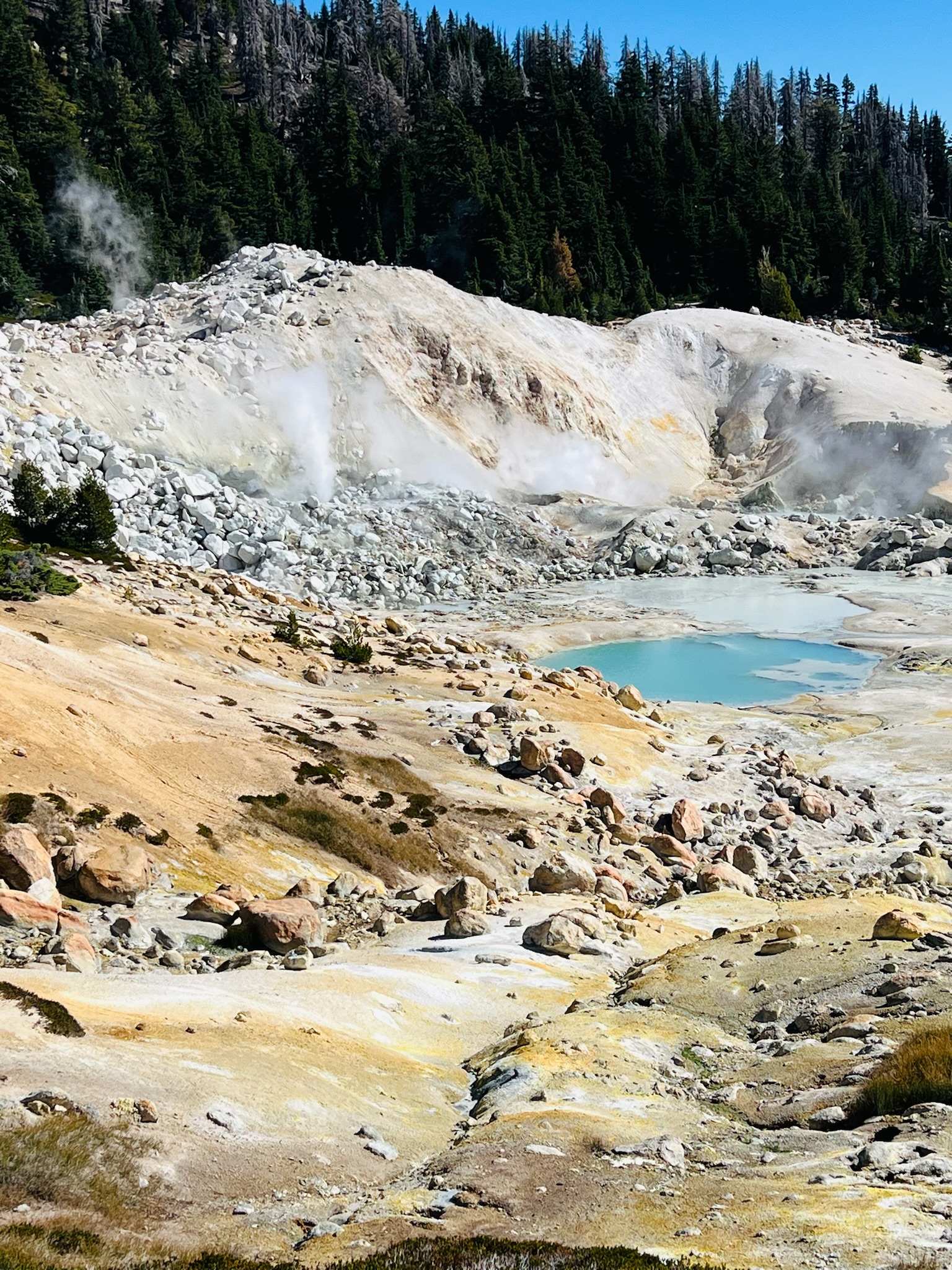
Lassen Volcanic National Park’s most distinguishing feature is found within its name – volcanic activity. On the surface is a peaceful and serene landscape playing the part of the Trojan horse for fiery and potentially violent world of wonder beneath your feet.
Natural features created by the volcanic geology you can visit while in the park include: Sulphur Works, Little Hot Springs Valley, Pilot Pinnacle, Bumpass Hell (one of the most popular trails in the park taking you on a path right through a geothermal hot bed), Cold Boiling Lake, Devils Kitchen, Boiling Springs Lake, and Terminal Geyser.
Lassen Peak is one of three volcanoes in the contiguous Unites States to erupt (May 21, 1915) since our nation was founded. The other two are also located within the Cascades Range, Mount Hood and Mount St. Helens.
I cannot continue, though, without mentioning the Cascade Range as a whole. In addition to a hotbed of volcanic activity, the bountiful beauty and pure wilderness of the Cascade Range is clearly evident as three other National Parks call the geographic feature home; Crater Lake, Mount Rainier and North Cascades. Through our adventure to see all of the National Parks, we are lucky enough to have seen a fragment of what the region has to offer.
Alpine Mountains
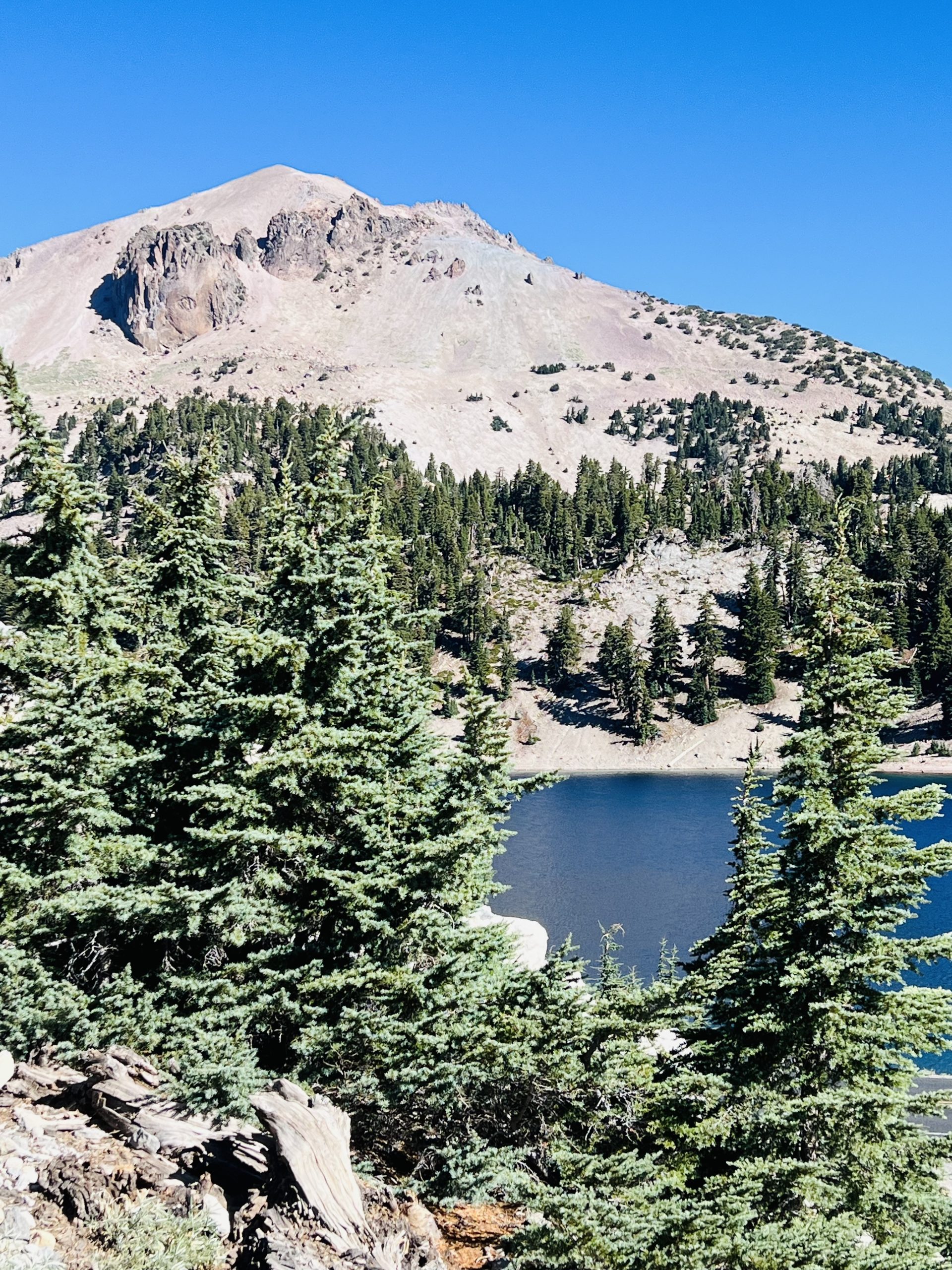
Another unique feature that makes Lassen Volcanic famous is its alpine environment. An alpine ecosystem for the region is defined by the United States Forest Service as an elevation above 9,186 ft (2,800 m). With the park’s elevation ranging from 5,650 ft (1,722 m) to 10,457 ft (3,187 m), there is a considerable amount above this threshold. The combination of alpine environment and crucible of geothermal activity lend themselves to a mesmerizing landscape, one that is best experienced first hand.
The ability to take in the crisp, extraordinarily fresh, alpine air with the tantalizingly pungent aroma of sulfur captures your inner explorer spirit propelling you to keep searching for what is around the next corner.
Alpine Lakes
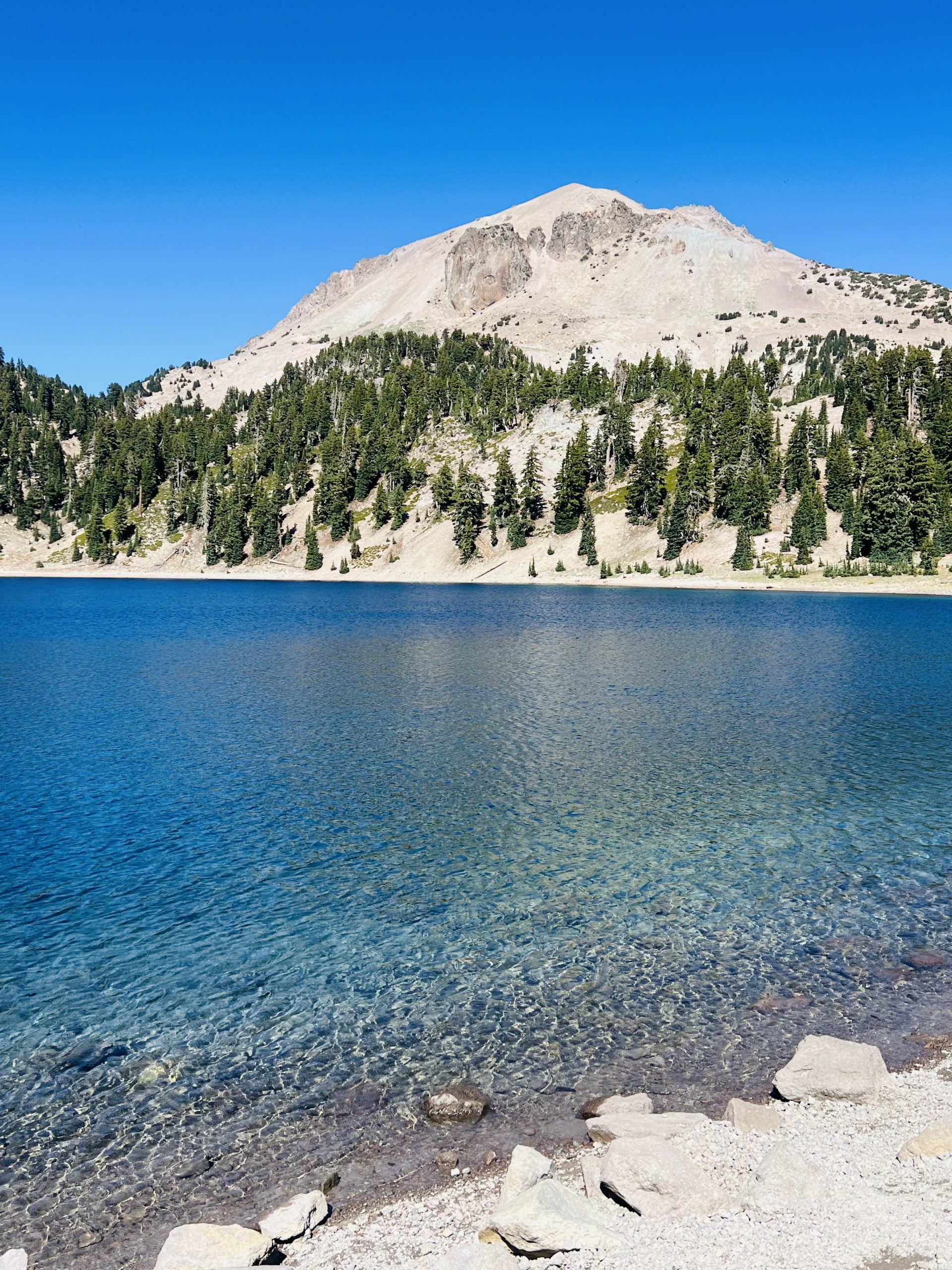
A unique experience for the areas of subalpine ecosystem within the park is to take an ice cold plunge in one of the more than 200 lakes.
Lake Helen is one of the beauties allowing for this. At 8,202 ft (2,500 m) elevation, this is the highest lake I have taken a plunge in to date. The lake freezes over completely in the winter and is often covered by feet of snow. This combination coupled with the lake’s unique mineral composition helps to keep the water a hypnotizing blue that pictures struggle to do justice for.
Another option is Summit Lake at 6,700 ft (2,042 m). Access is more readily available as this location is home to the seasonal Summit Lake campgrounds on the north and south sides of the lake. Be sure to review the National Park Service’s website for rules and regulations regarding swimming.
History
Make time for the Kohm Yah-mah-nee Visitor Center, named after the Mountain Maidu’s name for Snowy Mountain (now known as Lassen Peak). Here you can learn how the beauty and naturalistic importance of Lassen Volcanic National Park was first described by four tribes; the Atsugwei, Mountain Maidu, Yana and Yahi, indigenous to the region far before European settlers arrived, let alone establishment of the park. Be sure to inquire about Ranger led activities at both Kohm Yah-mah-nee Visitor Center and the Loomis Museum.
Dark Skies
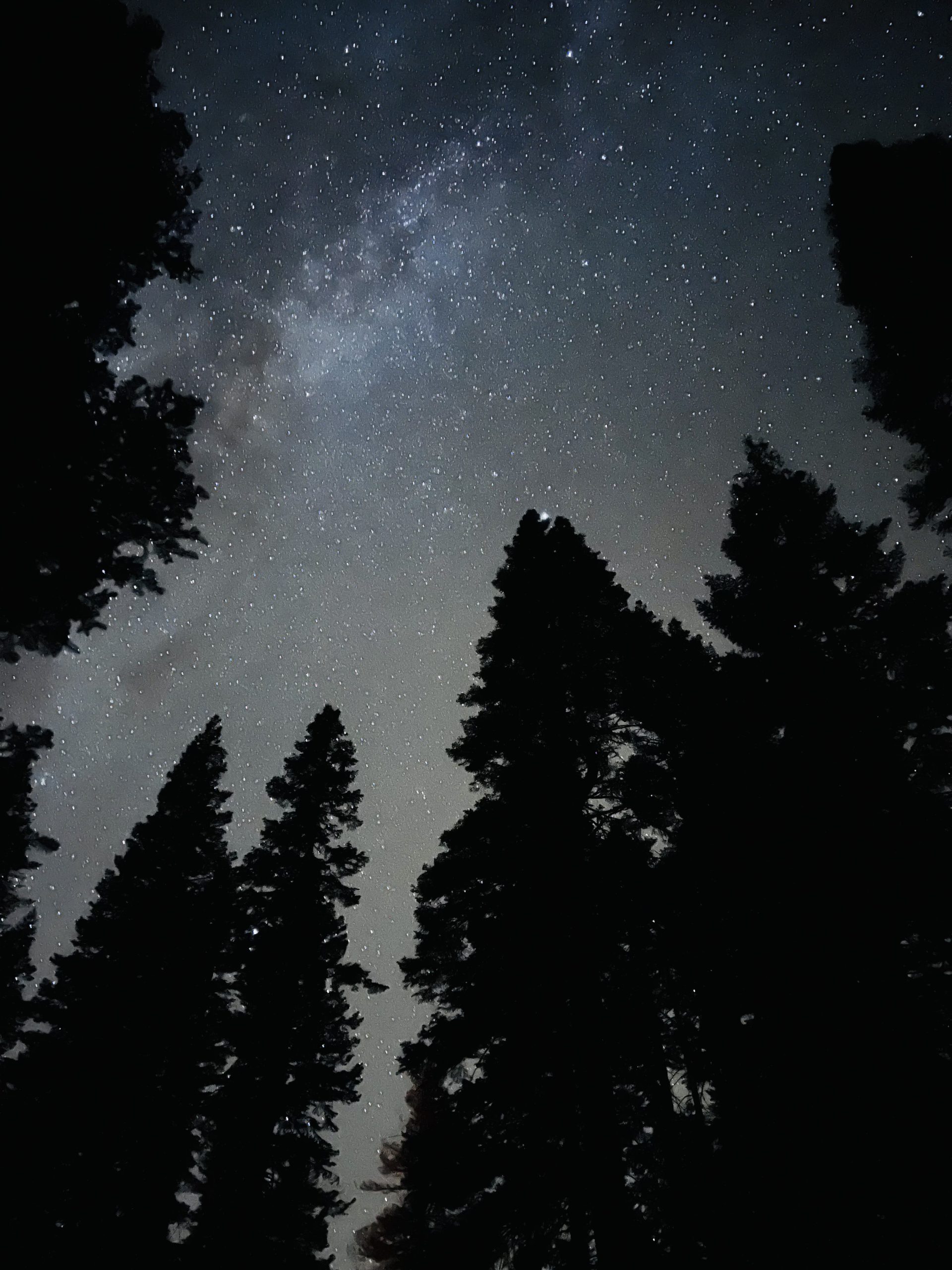
The last on my list holds this position as it involves the darkness. The natural darkness allows for viewing of the stars in a way we rarely find anymore. Although not yet a certified International Darks Sky Place, you can still find time standing still as you gaze off into space and its literal endless beauty. Be sure to bring your tripod along and try your hand at astrophotography.
Bottom Line: What is Lassen Volcanic National Park famous for?
Lassen Volcanic doesn’t have the name. It doesn’t need one. It has everything else.
Until the next round — Garrett
